How two developers do the work of a studio
Our author
Anna McLennan
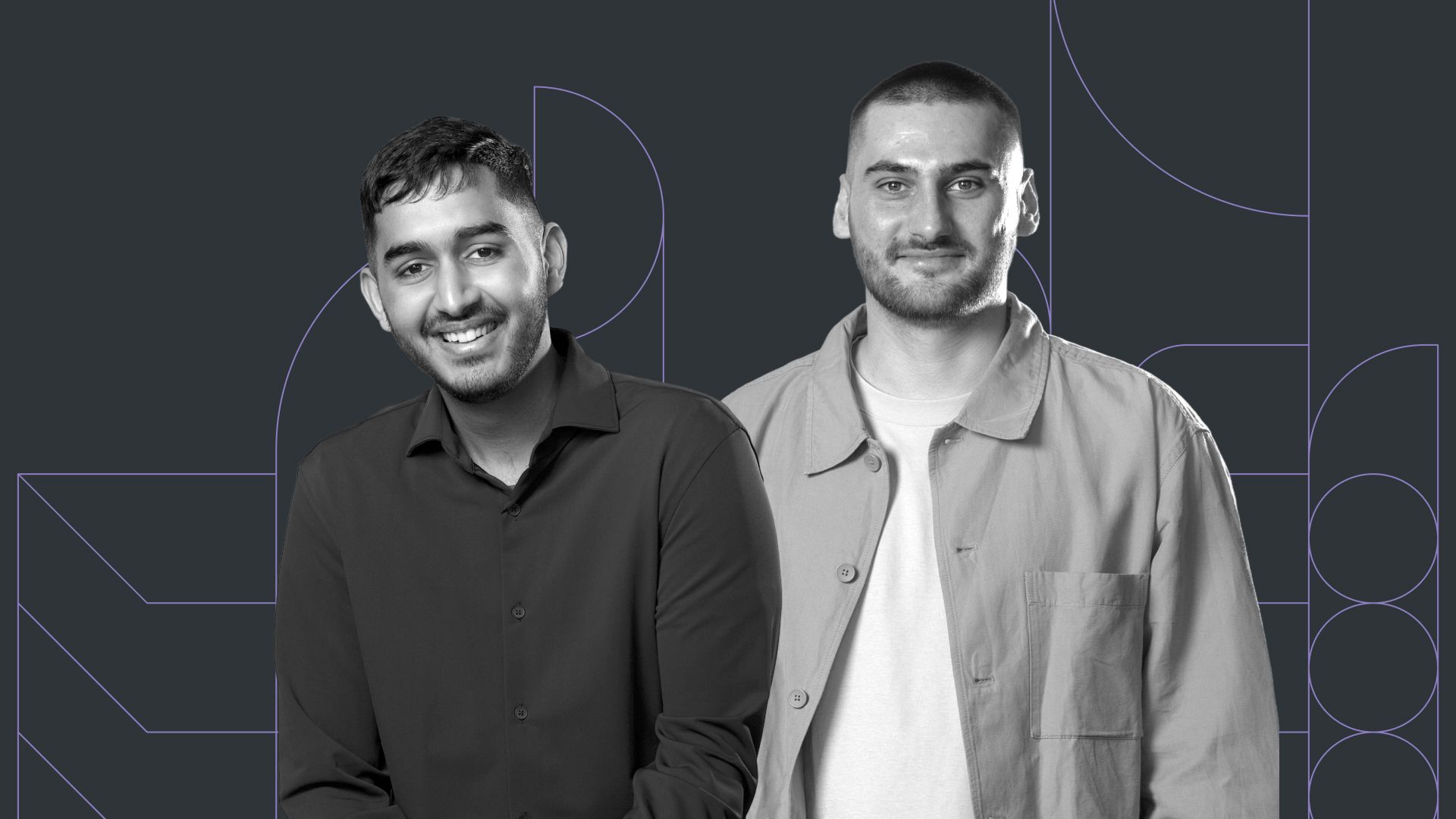
There is a version of agency life where a big client means a big team. More project managers, more developers, more layers between an idea and the thing that actually ships. It is not how we work, and it is not how Alex and Shoey work either.
Our entire development capability sits with two people. Alex, based in Melbourne while the rest of us are in Sydney, and Shoey, his partner in what has become a genuinely tight technical duo. Between them they cover front end builds, design system implementation, and increasingly, the kind of behind the scenes tooling that keeps a project moving fast without anyone noticing the machinery.
That last part matters more than it sounds like it should. Big business clients do not just want work delivered, they want design and development to stay in sync as a project evolves, across revisions, across approvals, across the inevitable late changes that come with any real brief. The traditional answer to that problem is more people and more process. Ours has been the opposite, investing in the connections between design and code so that updates flow through cleanly instead of needing to be manually rebuilt every time something shifts. Less duplication, fewer handoffs, less room for something to get lost in translation between what was designed and what gets built.
This is where Alex's interest in AI as a working tool actually earns its place, not as a headline feature, but as something quietly making the two person team punch above its size. Efficiency here is not about doing less work, it is about removing the parts of the process that add time without adding value, so the hours that are left go toward the work that actually needs a human eye.
It is a deliberately different model to the large networked agency, where scale is often the answer to every problem. Our answer has been the opposite: keep the team small, keep it senior, and let the tooling absorb the overhead that used to require more hands. It means a big business client gets the same two people from kickoff to launch, not a rotating cast, and it means what gets delivered has been considered by the same eyes throughout rather than passed along a chain.
Twenty eight years in, we still think the best agency model is not the biggest one, it is the one that can move fast without losing the thread. Alex and Shoey are proof that two focused developers, backed by the right thinking about how design and code should talk to each other, can support work at a scale most people assume needs a much bigger room.